Newspapers and directories can add addresses, activities and announcements to a life history. Use them to develop questions; a name mention needs further identifying evidence.
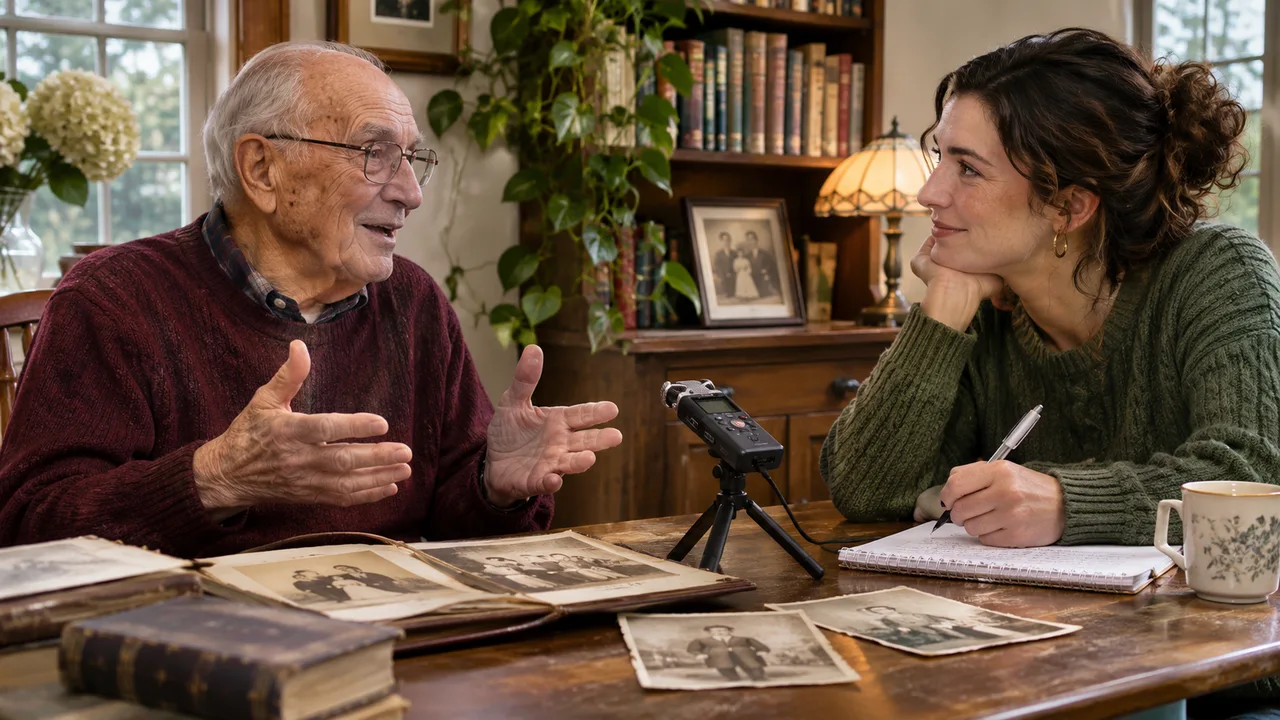
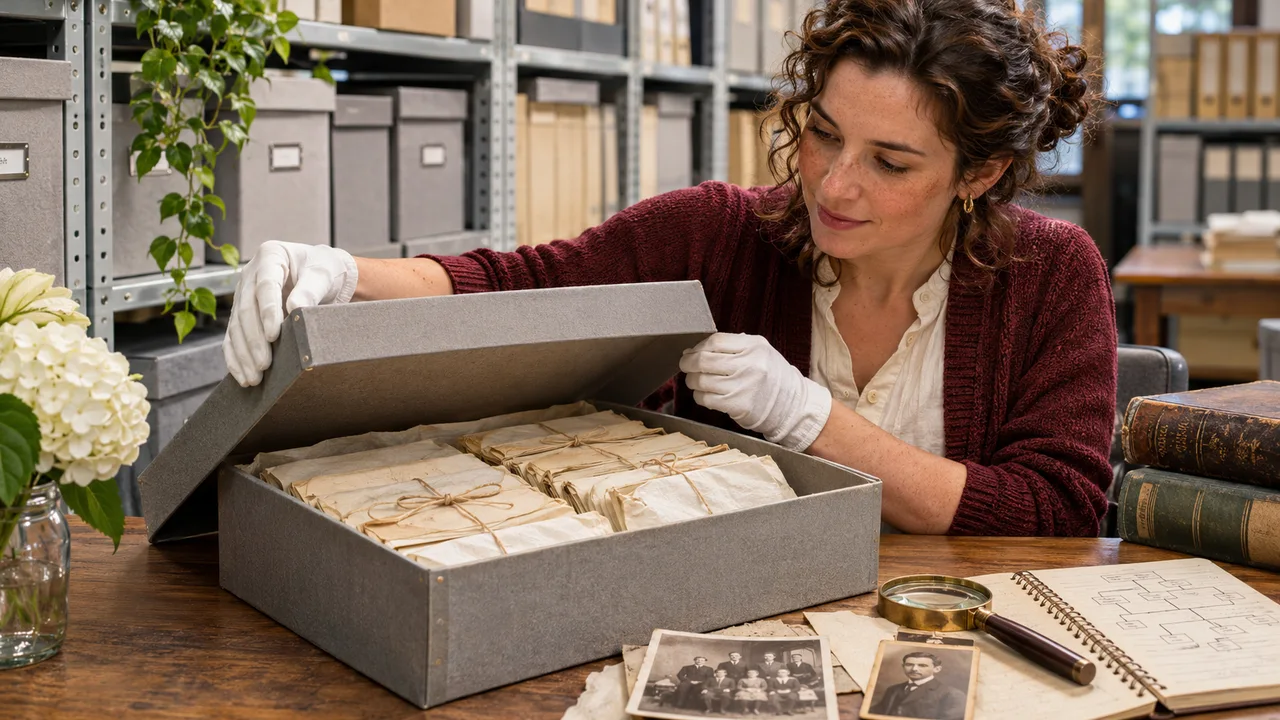
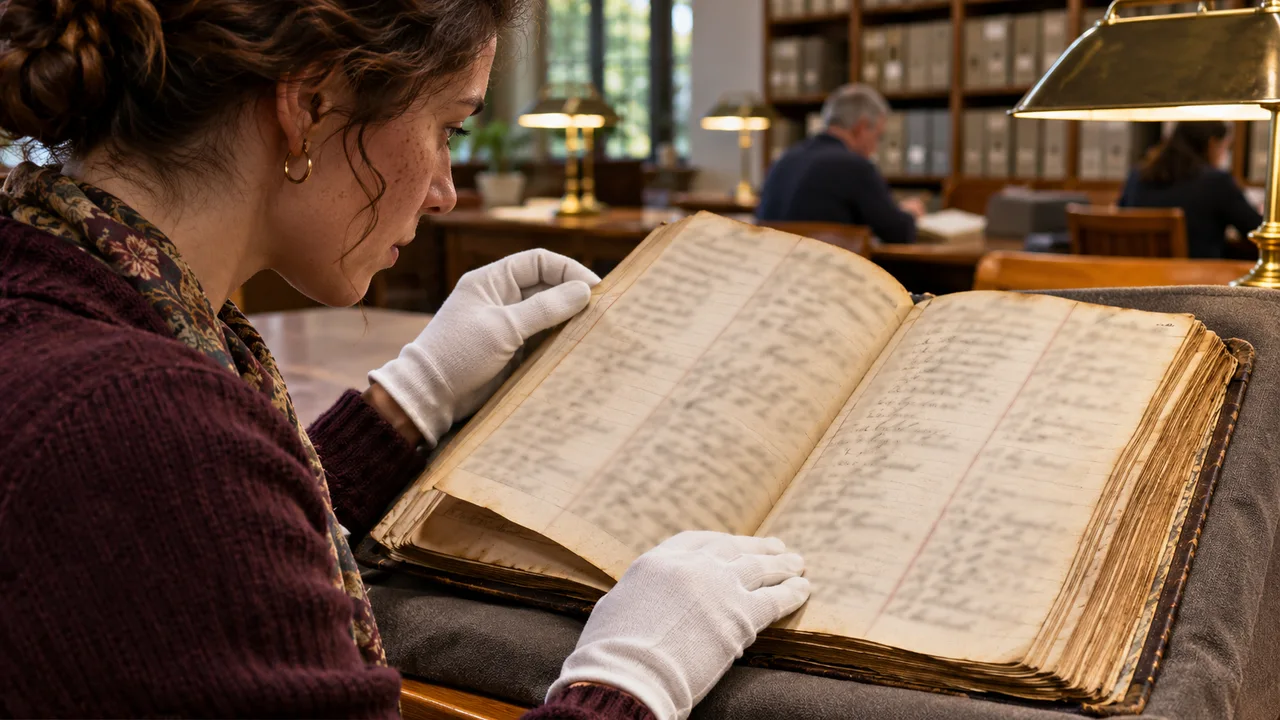
Fictional newspapers and reading cards in a library. Illustration; fictional scene, not documentary evidence.
The method, step by step
Choose place, period and a title available in a digital library such as Gallica. Record covered issues and gaps. For a directory, identify publication year and territory.
Test full name, initials and documented variants with occupation or address. If text search fails, browse relevant sections such as announcements or businesses. Record queries and pages consulted.
Check results on the image and read surrounding text. Separate publication date from event date; notices may be repeated or corrected. Compare spouse, address or occupation.
Cite title, publication place, date, issue, page and persistent link. Turn the information into a question for civil, census or employment records. Retain the complete page before cropping.
American newspapers: search beyond OCR
What the collection contains
Chronicling America offers full-text search through Pages (Full Text). OCR can misread small print, unusual typefaces or marked pages.
Details to record
Newspaper title, publication place, issue date, page, column and page link. Distinguish publication date from the date of the reported event.
Next check
Narrow place and period, then try an address, relative or contextual word. If the relevant issue exists, browse its pages and compare the image with the recognized text.
Text may be unindexed or misrecognised. Try variants, initials and nearby words, then browse relevant issues. Record title coverage and pages checked before concluding absence.
Dates below apply to each resource, not an exhaustive check of its collections. Read the limits and official pages before requesting records or visiting.