The connections that span generations
ROOT & GENEALOGY

Tracing occupations and their context

ROOT & GENEALOGY · Content updated on · Editorial method and sources

An occupation places a person in a local economy and may distinguish namesakes. It alone cannot identify a family.

Library and reading space. Illustration; fictional scene, not documentary evidence.

The method, step by step

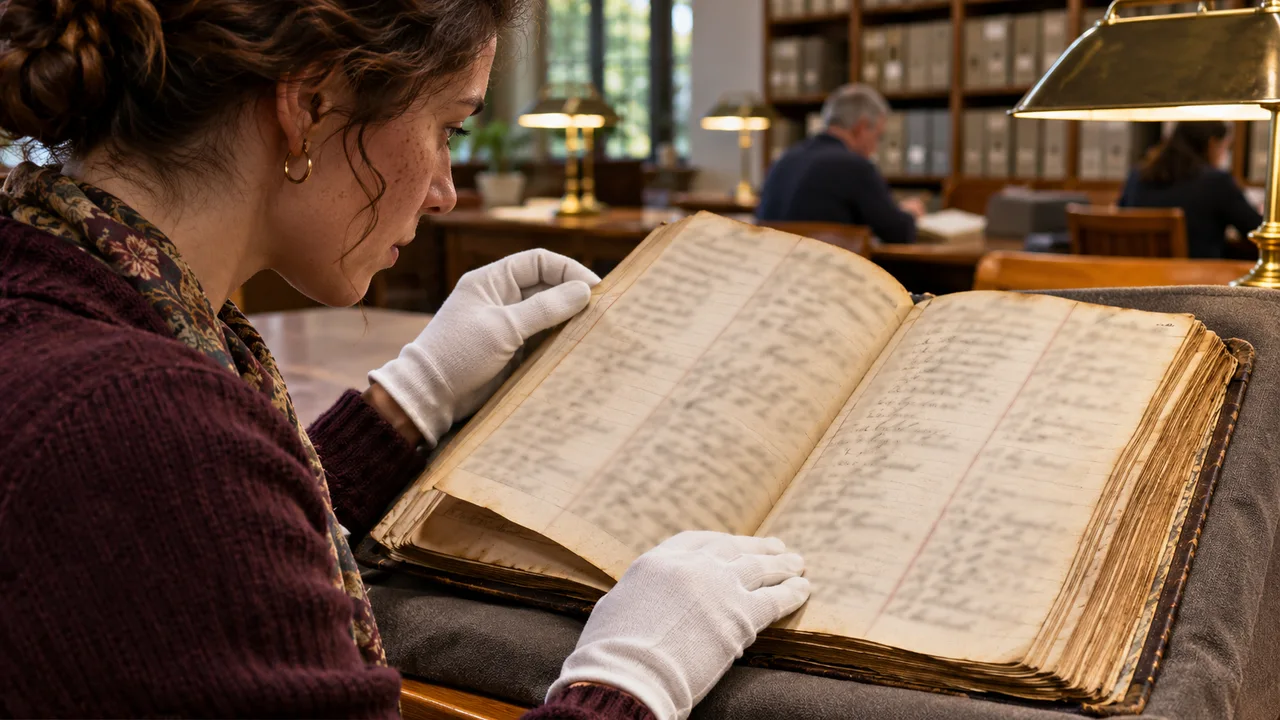
  1. Gloved hands examine a bound register with blurred handwriting.
    Record exact wording in records and censuses. Separate stated occupation, role and employer; keep changes in the timeline.
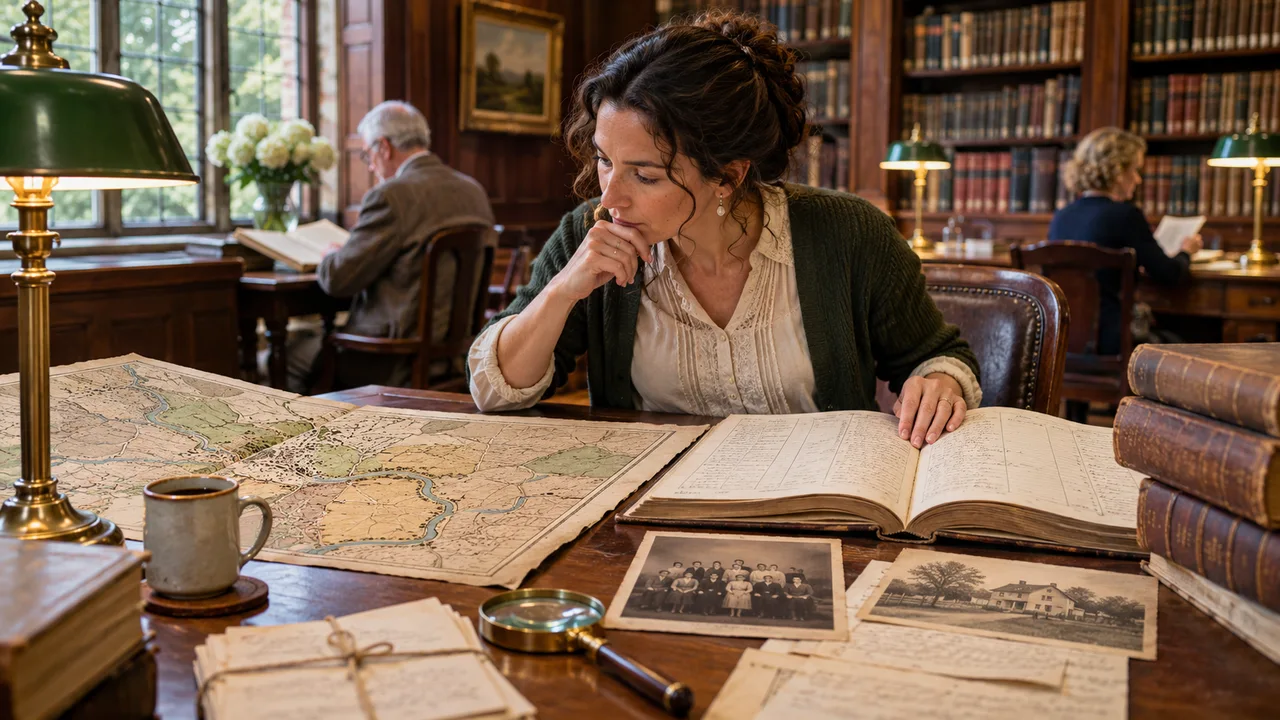
  2. A person compares an old-style map and documents in a library.
    Search directories and newspapers by address and period. An advertisement may name a business rather than the person sought.
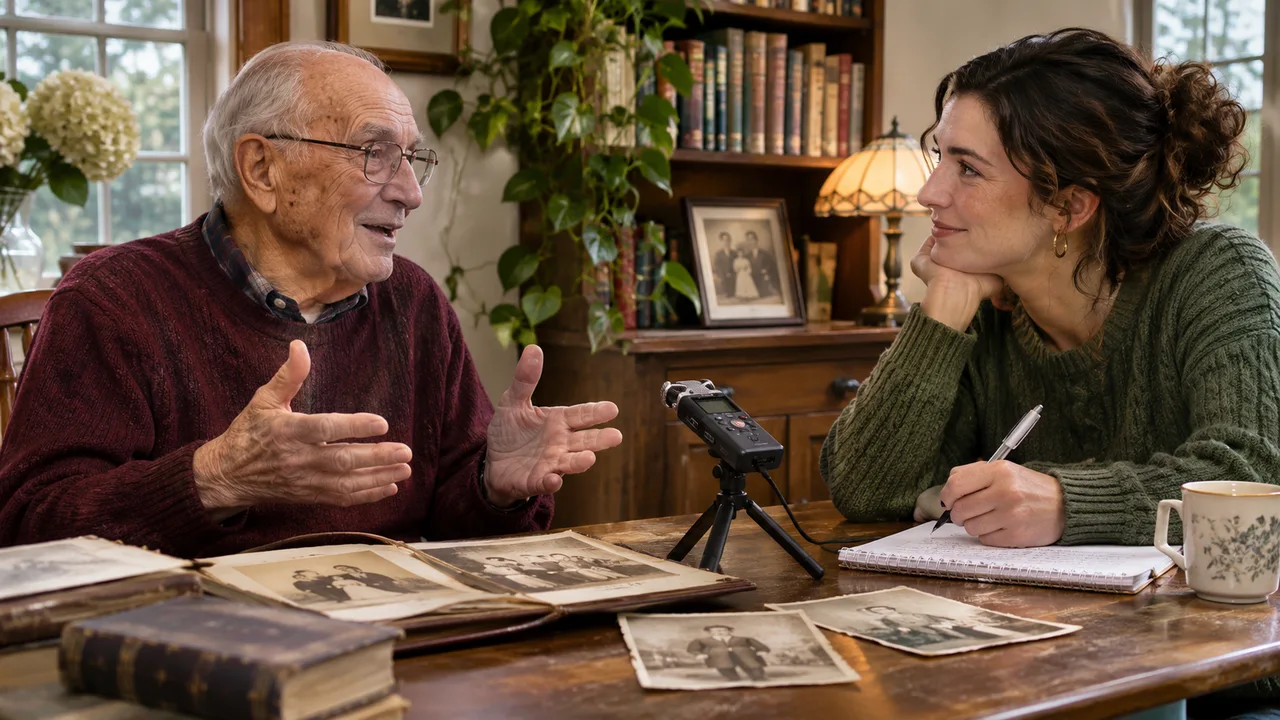
  3. Two people of different generations record a conversation.
    Seek company collections, staff lists or administrative files where preserved. Identify holder and restrictions before enquiring.
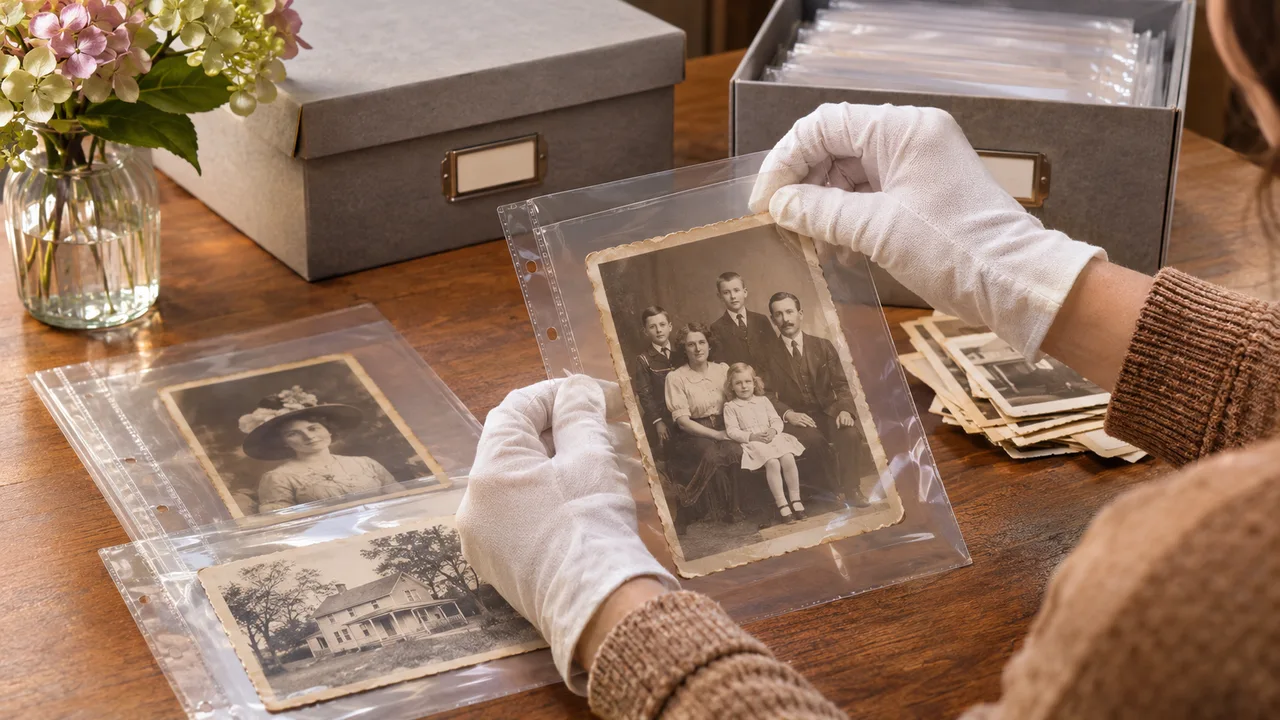
  4. Gloved hands place photographs in clear sleeves beside storage boxes.
    Explain the local meaning of the occupation with a dated source. Separate collective context from duties actually documented for your ancestor.

Tick items as you read. Ticks remain only on this page and disappear when it is reloaded.

Record in your research log

  • Exact title
  • date
  • address
  • documented employer
  • context source.
Document an unsuccessful search →

Frequently asked questions

How can a historical occupation be checked?

Keep the exact term and date, then compare civil, census, directory and surviving company records. A modern definition can mislead.

A useful next action

Organising your research →

Sources & references

Dates below apply to each resource, not an exhaustive check of its collections. Read the limits and official pages before requesting records or visiting.